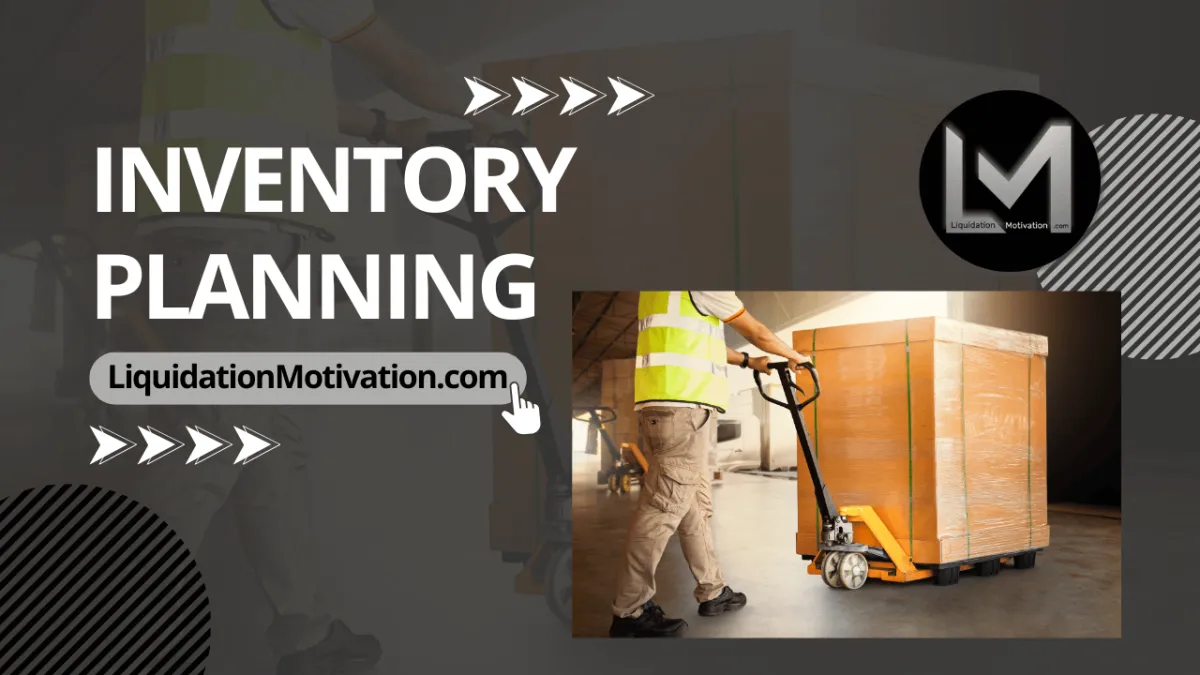
Keep Your Inventory Organized
Keep Your Inventory Organized
Running a reselling business is all about balance—sourcing great deals, keeping track of inventory, and making sure nothing gets lost in the chaos of your workspace. But let’s be real: without a solid system, it’s easy for things to pile up fast. One day, you’re unpacking a liquidation pallet, and the next, you’re stepping over boxes just to find that one item you know you have somewhere. Staying ahead of the mess isn’t just about tidiness—it’s about efficiency, profitability, and keeping your operation running smoothly.

A simple habit that makes a huge difference is following a one-in, one-out rule for inventory. Every time you bring in new stock, take a moment to review older inventory and decide what needs to move. If something has been sitting for too long, consider bundling it with a high-demand item, running a flash sale, or offering it as a freebie for bulk buyers. This approach prevents stock from piling up and keeps your workspace functional. Plus, it ensures you’re always focused on what sells best, not just what takes up space.
Smart Storage Systems Make a Big Difference
You don’t need expensive storage solutions to keep your inventory organized. Clear plastic bins are a reseller’s best friend because they let you see what’s inside at a glance. Grouping items by category—electronics, clothing, home goods—makes it easier to find things quickly when listing or packing orders. If you’re dealing with a lot of small items, drawer organizers or zip bags can keep them sorted without taking up extra space. Label everything, even if you think you’ll remember where things are. A quick label now saves you from digging through piles later.
Another trick is using vertical space. Shelves, pegboards, and over-the-door organizers maximize storage without eating up valuable floor space. Rolling carts can be a game-changer too—use them to keep frequently listed items within easy reach or to move inventory between your storage area and packing station. The more efficiently you use space, the easier it is to scale your business without feeling overwhelmed.
Keep Track of Your Inventory Like a Pro
A great deal isn’t a great deal if you forget you have it. Keeping a simple record of what you buy, how much you paid, and where you store it can prevent lost inventory and help with pricing decisions. A spreadsheet or inventory management app can track purchases, sales, and profits, but even a basic notebook works if you stay consistent. Knowing your numbers helps you see which categories perform best, so you can focus on sourcing items that bring in the highest returns.

Rotating inventory regularly is another key habit. If something hasn’t sold after a few months, re-list it with fresh photos, adjust the price, or move it to a different platform. Sometimes, just a small change in your listing can make a stale item move. Seasonal items should also be stored separately so you can easily pull out holiday décor in November or summer gear in the spring without sifting through unrelated stock.
Repurposing and Bundling for More Sales
Liquidation resellers know that sometimes you’ll end up with items that aren’t worth selling on their own. Instead of letting them sit, think about ways to add value. Bundling complementary products (like a phone case with a charger, or kitchen gadgets with cookware) can make them more appealing to buyers. If an item is missing a small part, see if you can repurpose it—an incomplete shelving unit might still sell for garage storage, or an opened beauty product set could be sold in individual pieces.

Even damaged items can have potential. A scratched-up dresser might not fetch a high price, but if you market it as a DIY restoration project, it could still attract buyers. Thinking creatively about your inventory helps maximize every dollar spent on sourcing and keeps products moving instead of collecting dust.
At the end of the day, staying ahead as a reseller comes down to efficiency and strategy. The more organized you are, the faster you can list, sell, and ship—which means more sales and fewer headaches. With the right systems in place, you’ll spend less time searching for lost inventory and more time making profits. Happy selling!
home | blog
